

Gothic Romanticism
There is something beautiful about a portrait that feels like a half-remembered dream. Lace moving in the wind. A figure standing beneath bare branches. Soft light falling across a face while the background disappears into shadow.
For me, gothic romanticism lives in those details—the meeting of tenderness, mystery, and a little melancholy. In photography and fashion, it creates space for beauty that feels emotional, imperfect, and deeply personal.
What is Gothic Romanticism?
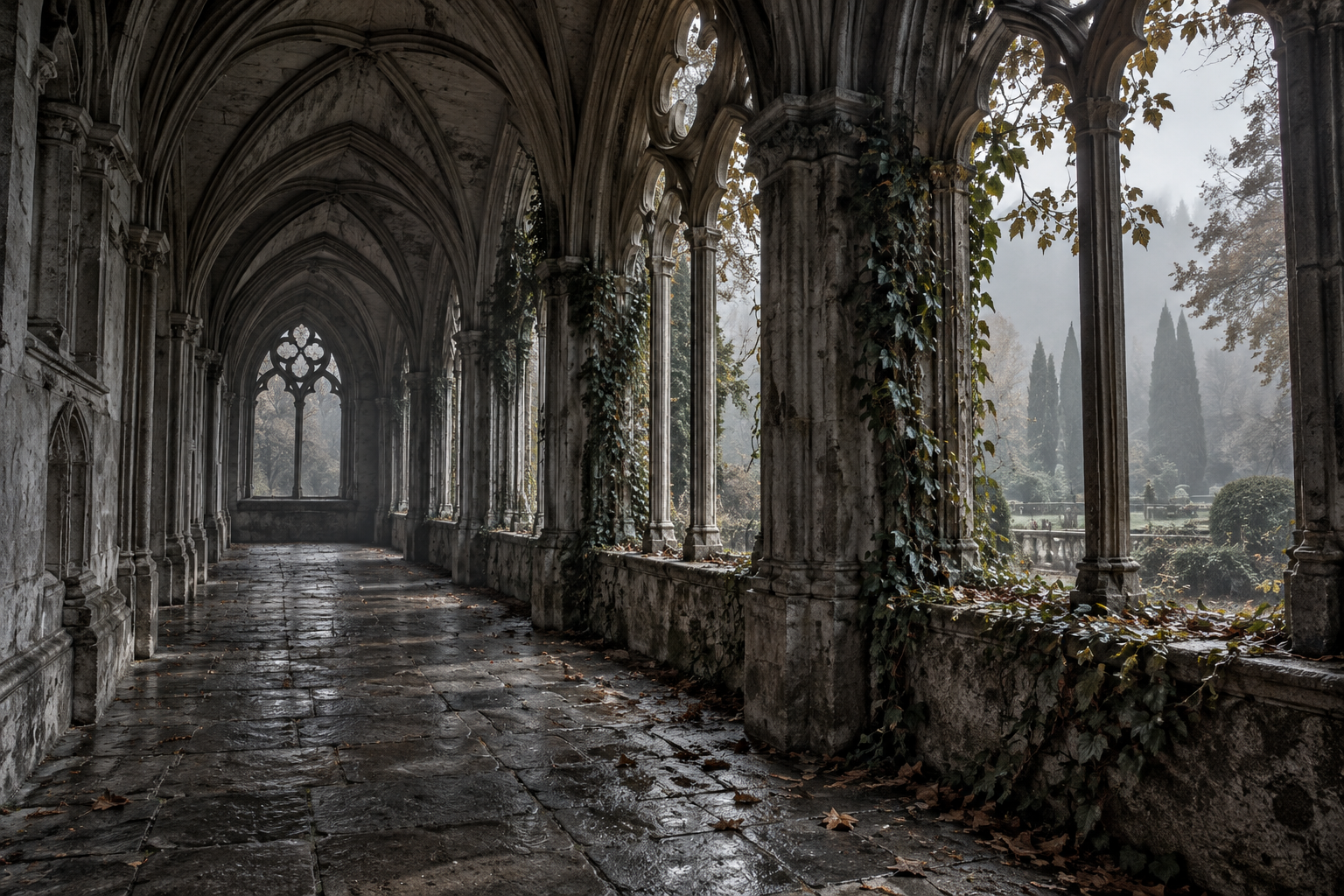
As a visual aesthetic, gothic romanticism brings romantic softness together with darker imagery. Think delicate flowers against weathered stone, flowing fabric in an empty woodland, or an intimate portrait framed by dramatic architecture.
The appeal is in the tension between those elements. Something fragile can feel powerful. A quiet setting can carry an unsettling mood. Darkness can make a small amount of light feel especially meaningful.
You might see this aesthetic expressed through lace, velvet, antique jewelry, faded florals, and long silhouettes. Its palette can include cool black, charcoal, misty gray, ivory, dusty purple, deep burgundy, and more. Color helps establish the atmosphere, but emotion gives it depth.
Telling a Story Through Photography
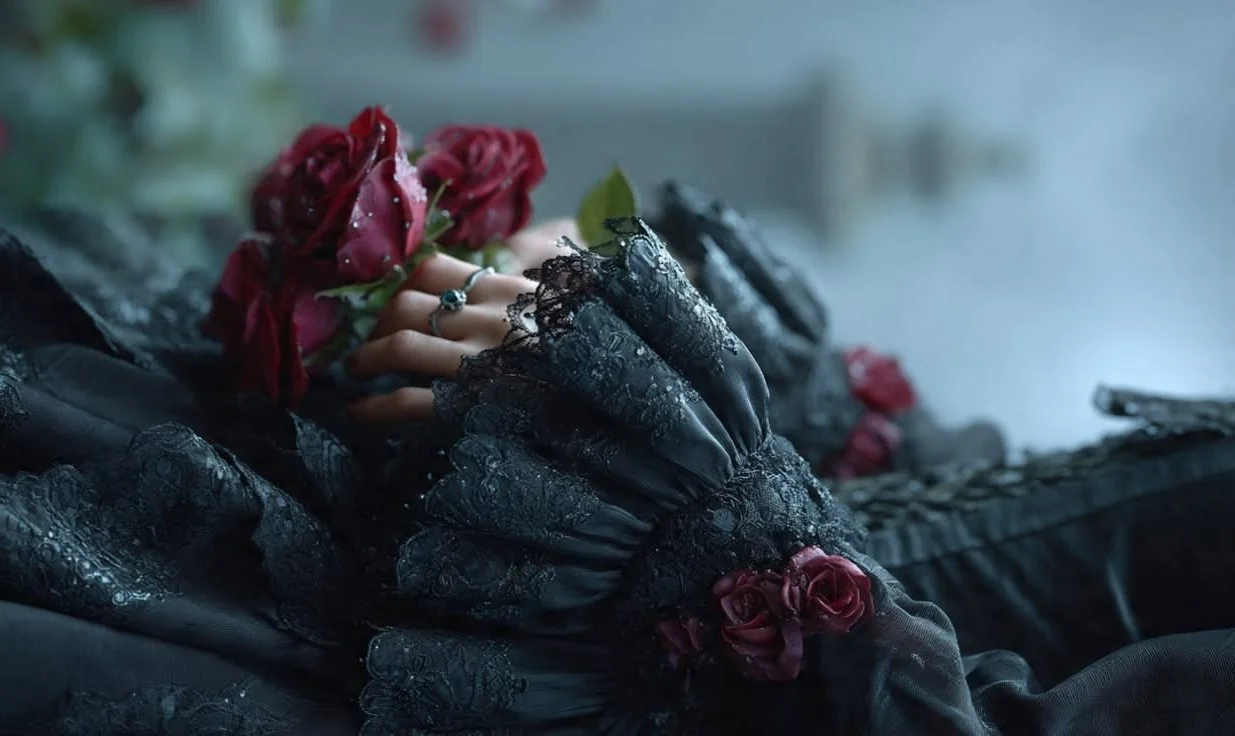
A gothic romantic photograph invites you to imagine what happened before the shutter clicked—and what might happen afterward.
A person standing beside an old window might seem to be waiting for someone. A windswept dress in an open field can suggest freedom, longing, or loss. A close portrait with an unreadable expression leaves room for the viewer’s own interpretation.
Light shapes these stories. An overcast sky can soften skin and reveal the texture of clothing. Window light can illuminate a face while allowing the surroundings to fall into shadow. Black-and-white photography can draw attention to gesture, expression, and the relationship between light and dark.
The most compelling images still feel human. A relaxed hand, an unguarded glance, or a strand of hair caught across the face can carry more feeling than an elaborate pose.
Fashion as Part of the Story
Clothing gives a portrait movement, texture, and character.
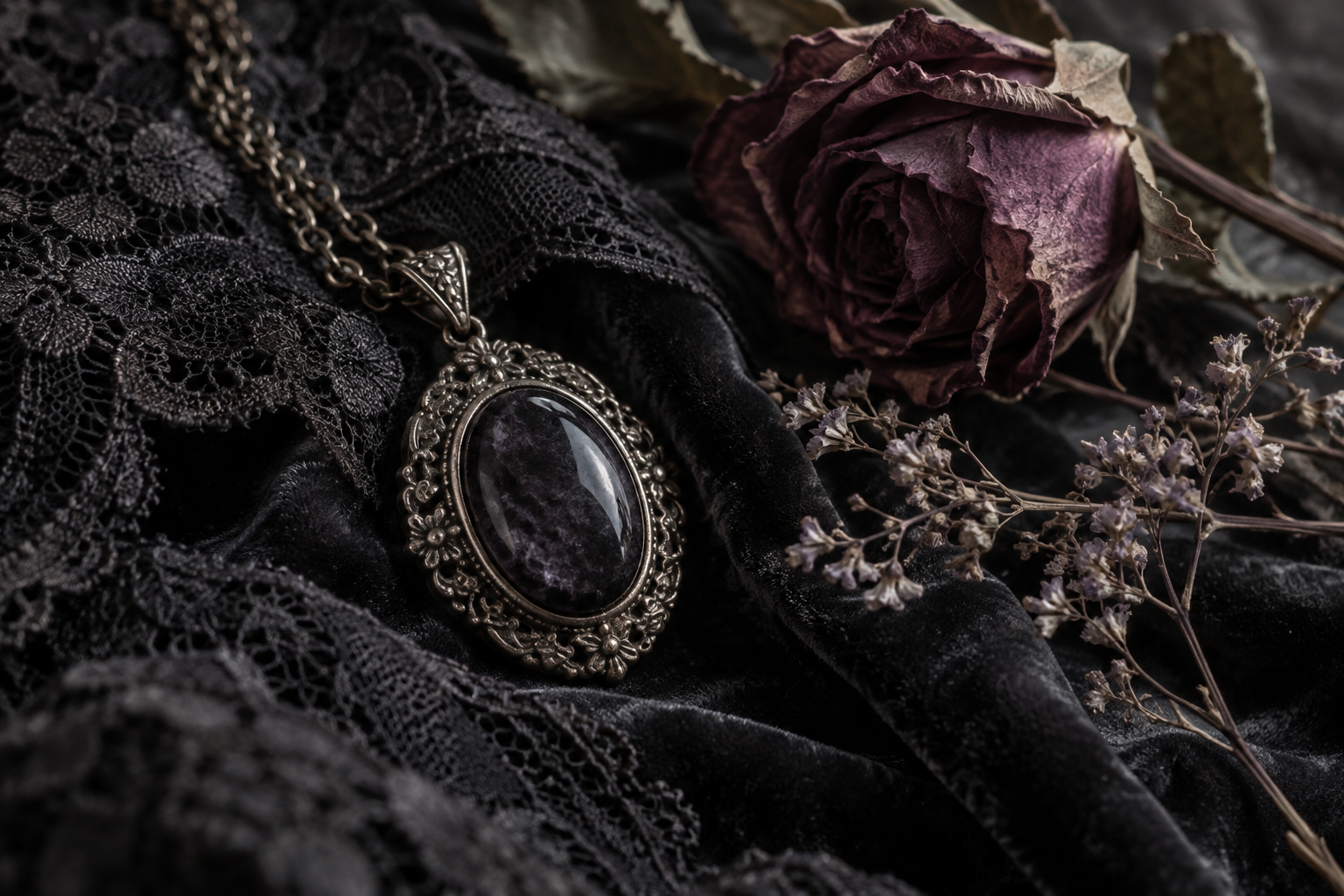
Lace creates intricate patterns against skin. Velvet absorbs light and adds richness. Sheer layers catch a breeze, while a structured jacket or corseted silhouette gives the figure a more defined shape.
An outfit can be elaborate, but a quieter approach works beautifully too: a simple black dress, an oversized knit, worn boots, or a silver pendant. Choosing one expressive detail gives the photograph a clear point of interest.
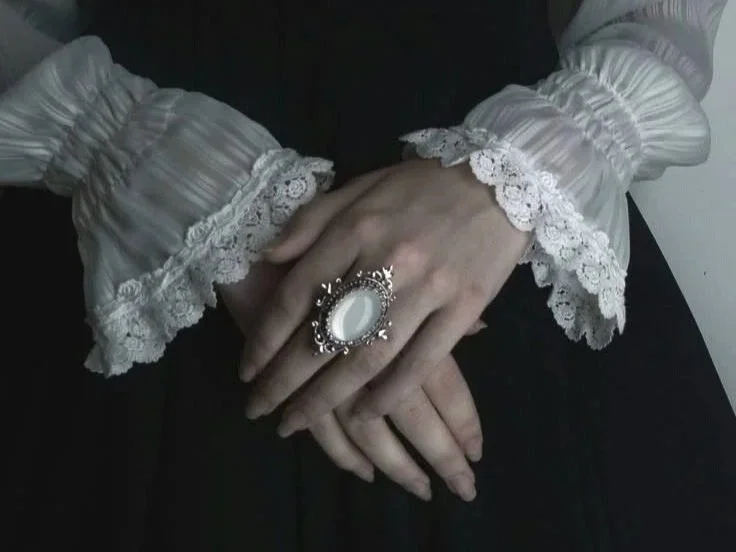
Personal connection matters as well. A favorite ring or a vintage blouse with a history can bring something to the portrait that a carefully coordinated outfit alone cannot.
Fashion Websites to Explore
If you’re gathering inspiration for a gothic romantic wardrobe or portrait session, these websites offer useful starting points:
Disturbia
Explore alternative and dark romantic fashion, including botanical prints and gothic details. I’d look here for clothing to pair with woodland settings, weathered textures, and soft, moody light.
KILLSTAR
Its gothic dress collection includes lace and dramatic silhouettes. These pieces offer inspiration for portraits where clothing plays a prominent role in the composition.
You can also build a look through vintage clothing, secondhand finds, and pieces you already own. Mixing textures and choosing clothing that feels natural to wear helps keep the result personal.
Finding Your Own Expression
What draws me to gothic romanticism is its ability to hold several emotions at once. A photograph can feel lonely and comforting. An outfit can be delicate and commanding. A landscape can seem haunting while still feeling like home.
That is the direction I’m drawn to in my photography: natural beauty, darker atmosphere, and portraits that leave room for individuality.
Sometimes, all a photograph needs is soft light, a meaningful detail, and the freedom to feel something.
